Through community sessions, scientific experimentation, and policy engagement, Project CleanCycle addresses menstrual health from three critical angles.
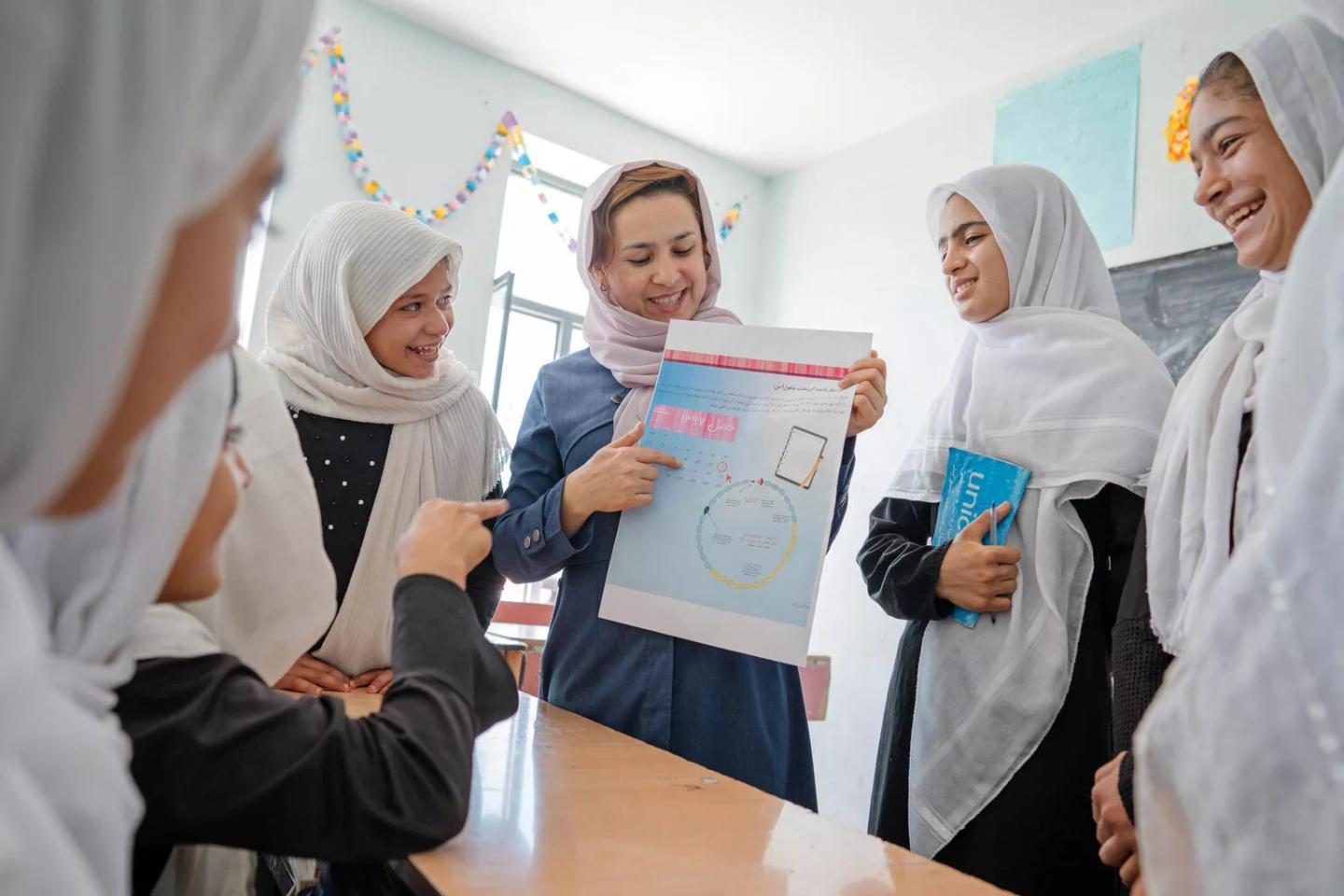
We conduct interactive, judgment-free workshops in schools and grassroots community centres. Designed specifically for adolescent girls aged 11–18, our curriculum translates biological concepts into practical daily routines.
Each participant receives our illustrated CleanCycle Pocket Guide detailing proper cloth washing, sunlight drying requirements, and early infection warning signs.
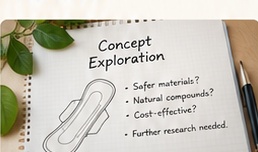
Commercial pads remain economically out of reach for millions of low-income families. Our laboratory exploration studies sustainable, low-cost absorbent alternatives made with locally abundant natural materials.
By integrating natural antimicrobial compounds, we seek to design an absorbent napkin that actively reduces bacterial growth even in humid conditions.
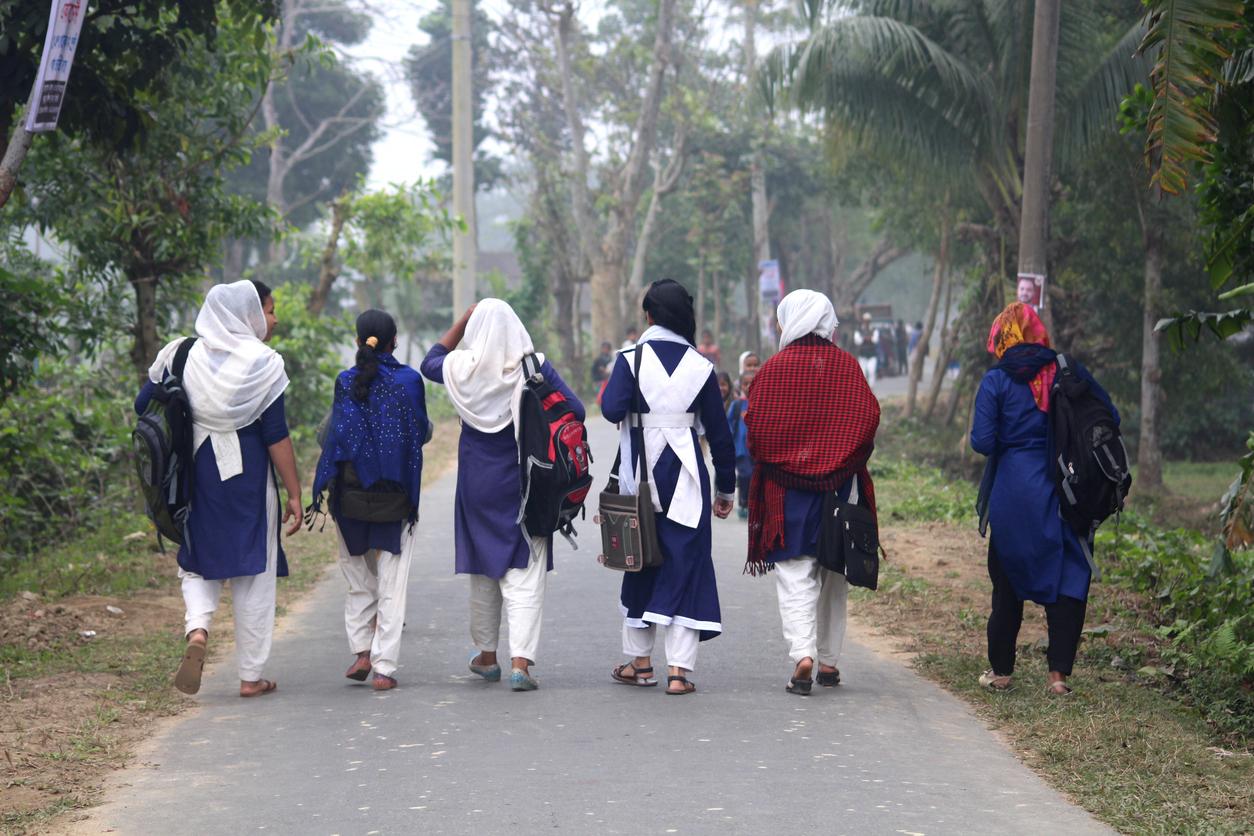
Menstrual hygiene products in Bangladesh are currently subjected to significant value-added taxes, classifying basic biological care as a luxury good rather than a healthcare necessity.
We engage with policymakers, civic groups, and manufacturing leaders to champion the removal of the 15% VAT on pads and push for government-subsidized school dispensers.
Pilot delivery across selected schools in Dhaka and peri-urban hubs, measuring knowledge retention through anonymous pre/post surveys.
Publishing an industry white paper analyzing the retail markup on menstrual pads and presenting tax reduction proposals to the Ministry of Finance.
Releasing a comprehensive, bilingual open-access curriculum and guidebook for grassroots NGOs and community health workers nationwide.