We’re making menstrual health education more accessible while exploring safer, affordable period-care solutions for girls in Bangladesh.
Aligned with UN Sustainable Development Goal 3 (Good Health & Well-being) and Goal 5 (Gender Equality).
Awareness sessions planned
(250–300 across communities)
Menstrual hygiene guides planned
(to be distributed)
Target improvement in knowledge & access
(among girls in pilot locations)
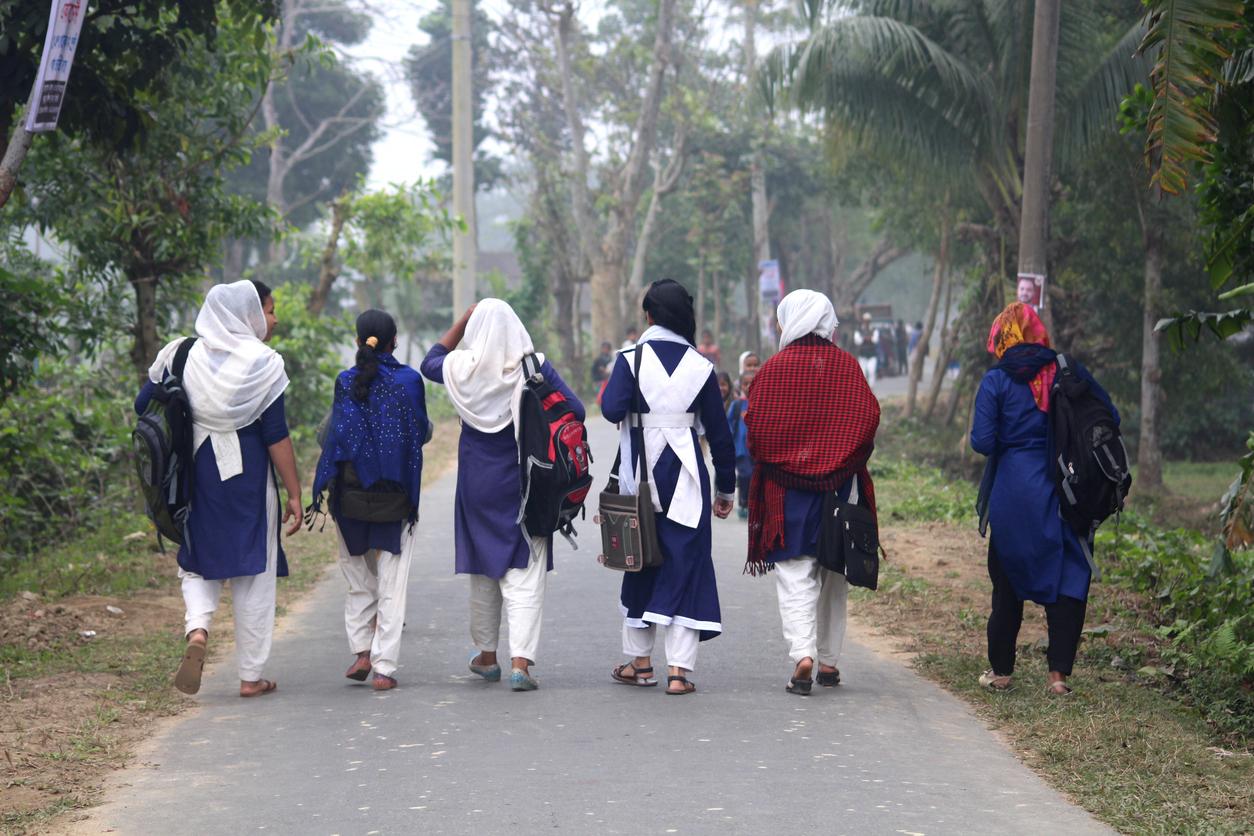
Many girls in Bangladesh still face menstrual health challenges due to high costs, lack of education and social taboos. These conditions can lead to unhygienic practices and increased risk of infections.
High pad costs and a 15% VAT force many families to prioritize other necessities, pushing girls toward unhygienic alternatives.
Social taboos prevent open discussions, leading to improper cloth-drying habits in dark, damp spaces and missed school days.
Microbiology shows that retained moisture and unhygienic materials promote fungal and bacterial overgrowth. Simple scientific habits change that.
Project CleanCycle combines community education, scientific exploration and advocacy to create a more dignified and affordable menstrual health future.
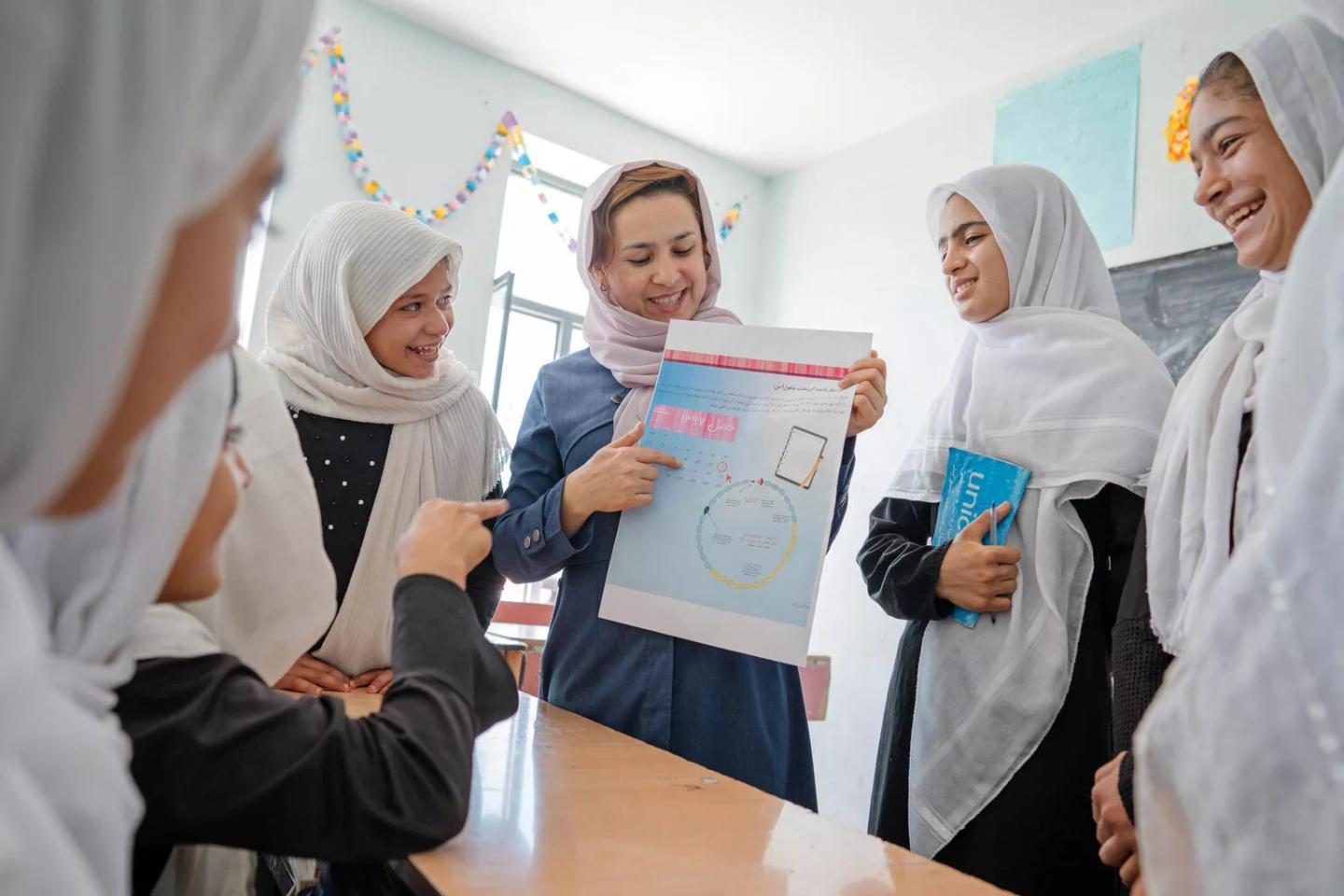
We conduct interactive sessions in schools and communities, demystifying periods, proper cloth drying, hygiene rules, and reproductive health basics.
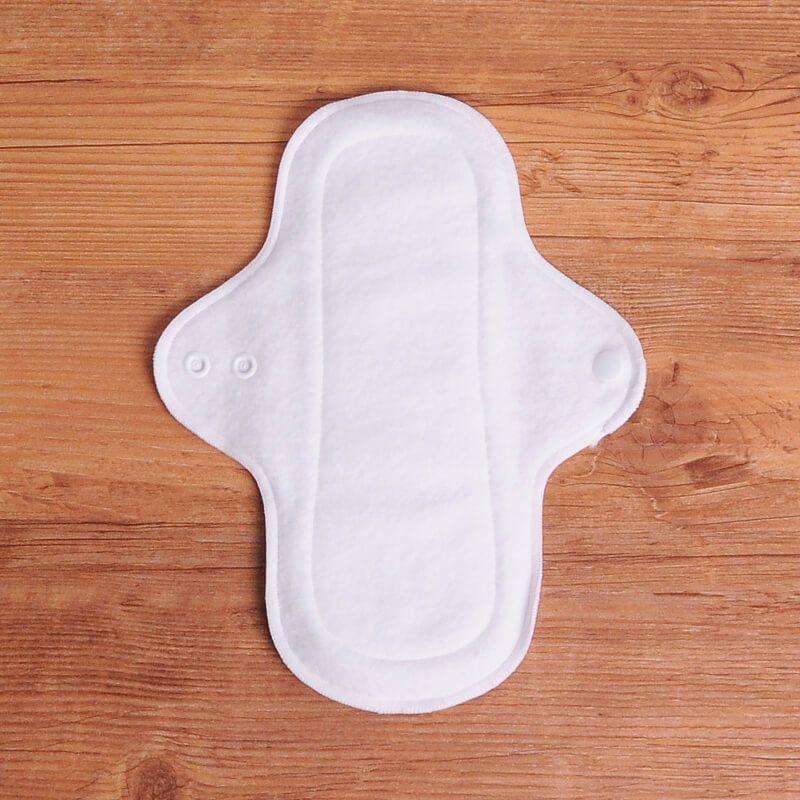
Investigating safe, low-cost sanitary napkin concepts incorporating mild protective compounds to suppress microbial growth in humid climates.
Engaging manufacturers, policymakers, and civic leaders to reform menstrual product taxation and remove the 15% VAT burden.
“I know what it feels like to manage a period with worry.”
I’m a microbiology student from Bangladesh, and Project CleanCycle is my effort to support girls in staying healthier during their periods. Through education, scientific exploration and advocacy, I hope to create a future where every girl has access to safe, dignified care.
Afnan Alam Promi — Founder, Project CleanCycle & Undergraduate Microbiology Student
How damp conditions can increase microbial growth and simple ways to stay safer from infections.
Exploring the impact of high prices and VAT on girls’ choices and long-term health outcomes.
Why open conversations in schools and homes are the first step to eliminating period stigma.
Our vision for low-cost, bio-compatible materials in menstrual health interventions.
Support education, research and advocacy for a safer, more affordable and dignified period-care future for girls in Bangladesh.